What is PPC? Pay-Per-Click Advertising Explained
PPC (Pay-Per-Click) advertising is a powerful digital marketing strategy where advertisers pay a fee each time their ad is clicked. It allows businesses to reach targeted audiences instantly through platforms like Google Ads, Bing Ads, and social media.
What is PPC?
PPC is an online advertising model where advertisers bid on keywords and pay only when users click on their ads.
These ads appear at the top of search engine results pages (SERPs) or on websites, apps, and social media platforms.
How PPC Works?
PPC platforms use an auction system where advertisers bid on keywords relevant to their products or services.
- Keyword bidding – Choosing keywords users are searching for
- Ad quality – Relevant ad copy and landing pages
- Bid amount – How much you're willing to pay per click
Types of PPC Advertising?
- Search Ads: Text ads shown on search engines.
- Display Ads: Banner ads across websites.
- Shopping Ads: Product-based ads for e-commerce.
- Social Media Ads: Facebook, Instagram, LinkedIn ads.
- Remarketing Ads: Target users who already visited your site.
Why PPC is Important?
PPC provides instant visibility and drives targeted traffic to your website.
It allows full control over budget, audience targeting, and measurable ROI.
PPC Best Practices?
- Perform in-depth keyword research.
- Write compelling ad copy with strong CTAs.
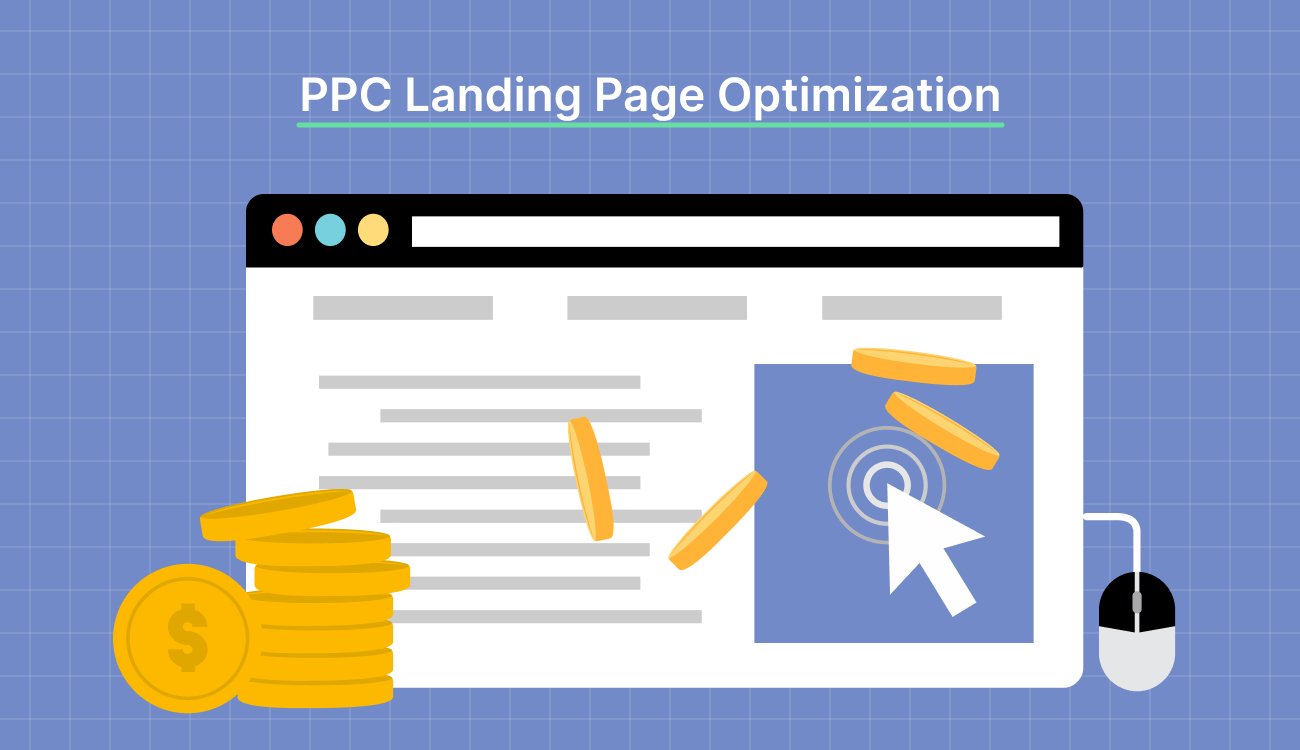
- Use dedicated and optimized landing pages.
- Track conversions and ROI.
- Continuously test and optimize campaigns.
Common PPC Mistakes to Avoid?
- Not tracking conversions.
- Sending traffic to irrelevant landing pages.
- Ignoring negative keywords.
- Overbidding without optimization.
- Not testing ad variations.
Measuring PPC Success?
- Click-through rate (CTR)
- Cost per click (CPC)
- Conversion rate
- Return on ad spend (ROAS)
- Quality Score